Nobody Handed Me a Seat at the Table (So I Built My Own)
“I want a seat at the table.” You hear that constantly. From students, from PAs, from people just breaking in. I said it too. But when I was in my early 20s chasing that feeling, I couldn’t have told you whose table I actually wanted a seat at.
That clarity took years. And a lot of “wrong” turns that, in hindsight, were the right ones.
The Quiet Work
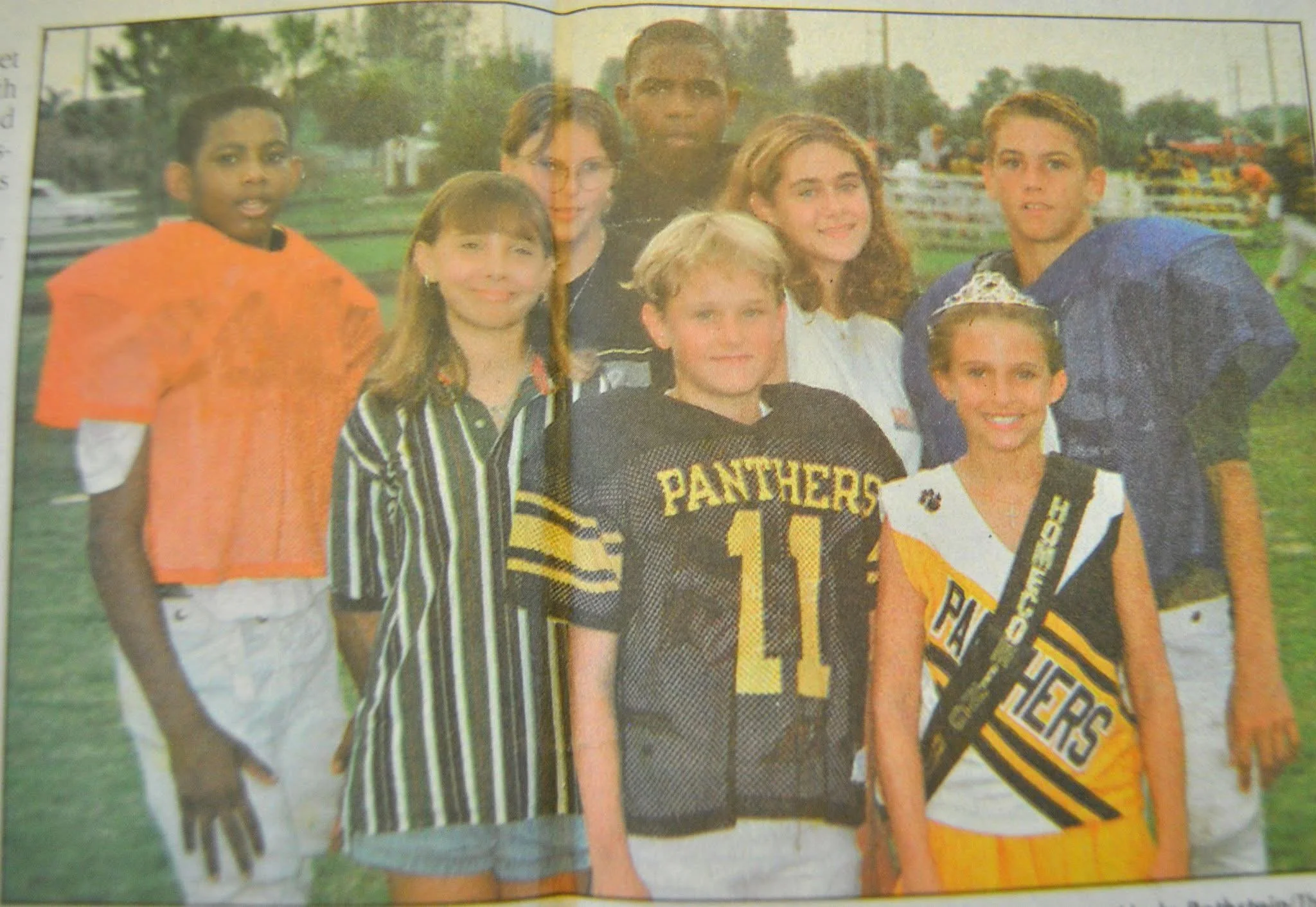
Me as the back up QB #11
I grew up playing sports and music, but never as the star of either. Baseball, football, solo competitions. I was always in rooms where I wasn’t the most talented person, fighting through anxiety and learning how to take coaching without shutting down. It forced me to lead from preparation instead of ego. That built something in me I didn’t fully understand at the time.
That mindset followed me into film school, where the imposter syndrome hit harder than ever.
I didn’t walk in with a portfolio full of short films or some encyclopedic knowledge of cinema history. I hadn’t spent my teenage years in arthouse theaters. I knew what was in the Blockbuster New Releases section. I knew Spielberg. I was sitting in rooms with students who seemed like they’d been bred for this, and I was playing catch-up from day one.
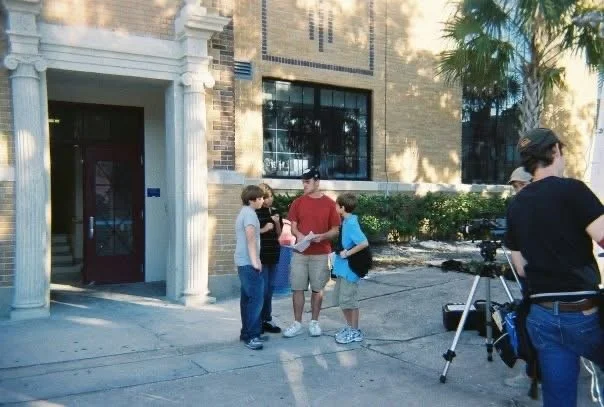
Me directing on the set of my UCF short film Gone to the Moon
I tried to write my way through it. Scripts, papers, stories I submitted without being sure I had a real voice yet. Looking back, almost everything I wrote was about underdogs. Characters just trying to prove they belonged. One script was called Gone to the Moon. I didn’t realize it at the time, but that was me on the page.
Some professors didn’t believe in the ideas. I made the films anyway. Not because they were great ideas -- I honestly can’t tell you if they were much better than average. But they were mine. And that’s the lesson I keep coming back to: make what you need to make, find your lane, and attack it.
Action Over Aspiration
At some point, wanting it wasn’t enough.
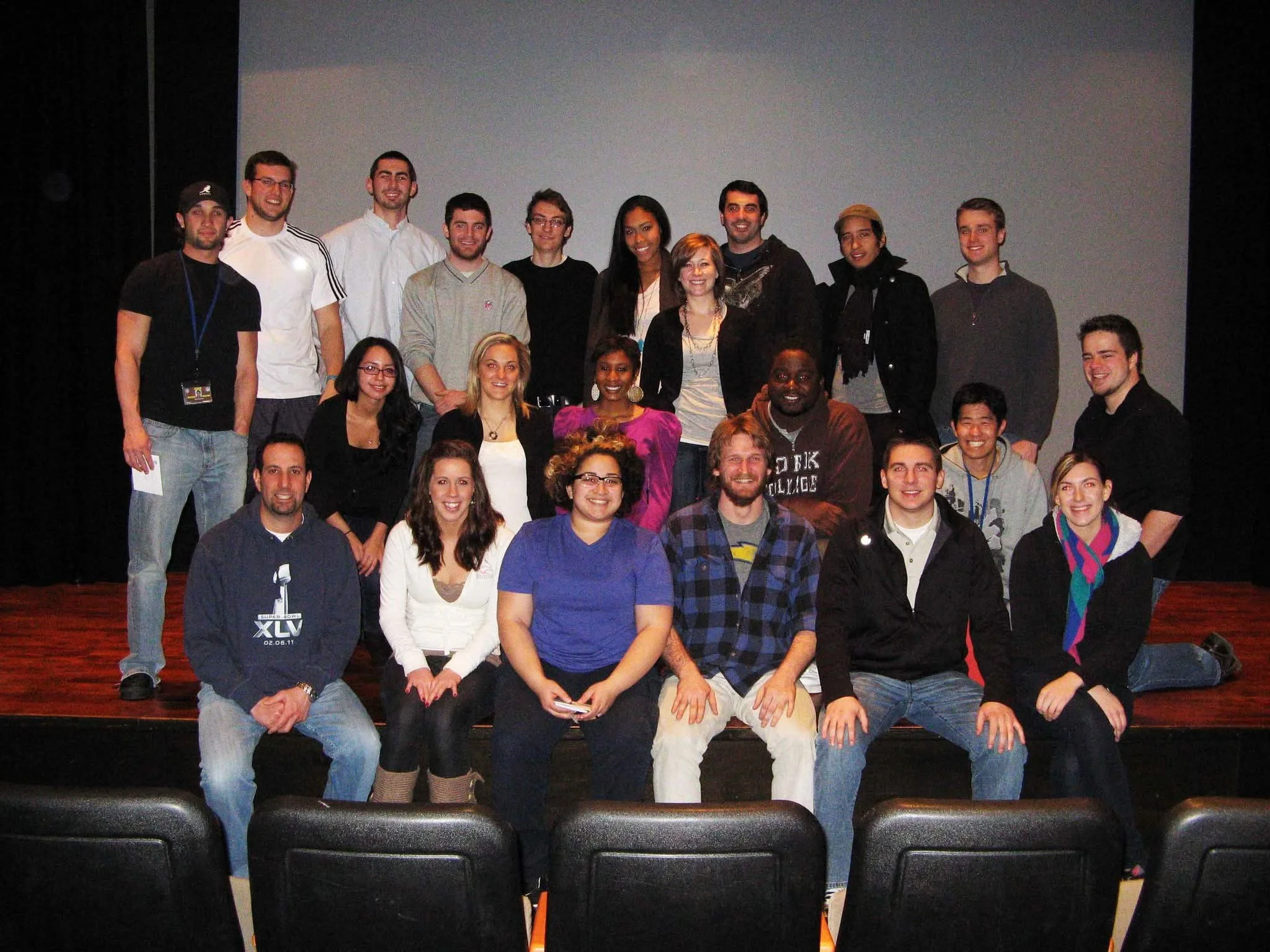
NFL Films Interns 2010/11 Class. Me Upper Right
I took a shot in the dark and applied for an internship at NFL Films. I was in Florida; they were in South Jersey. I had no connections, just ambition and a plane ticket. I flew up, interviewed, and got the spot. I thought, this is it, work hard and earn a full-time job. The internship ended and there was no offer. I had to decide to stay in the north east with no one and nothing, or keep searching.
I landed at NASCAR Productions as a logger and edit assistant. My contacts at NFL Films had mentioned several colleagues had gone down to NC to build this company. Solid job, great people, real experience. But the direction of the company wasn’t pointing where I wanted to go. After a year, I made the move to go freelance.
I went to SPEED Channel, which is now Fox Sports 1. Broadcast television, fast-paced, high-volume editing. My heart was back in it. But after another year, that old restlessness crept back in. I was cutting highlight reels and “coming up next” teasers. It wasn’t enough.
So I pitched something bigger.
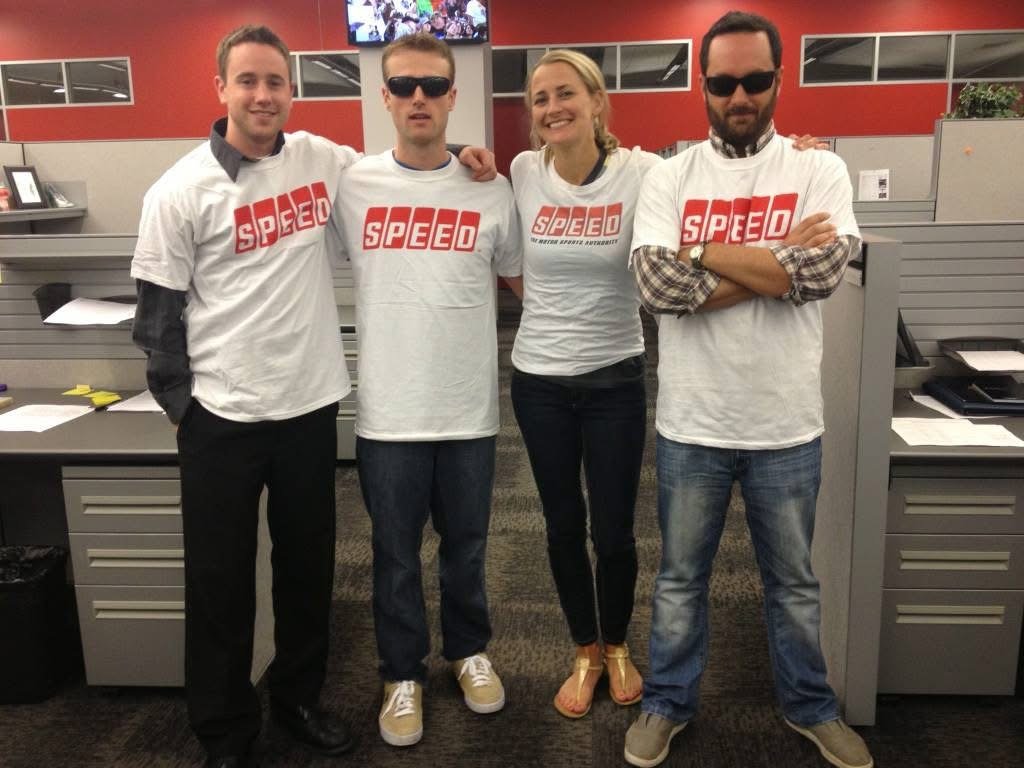
A colleague and I went to the coordinating producer with a new idea: a documentary-style segment that told the winner’s story each week. We called it Winner’s Weekend. It had been done before elsewhere, but never at the speed we were wanting to try it. Cut Monday, airs Monday. He said yes. That was my first real crack at cinematic storytelling on air, and something clicked. I realized that if you want to make something, you have to actually MAKE something. You can’t wait for someone to hand you the assignment. Winner’s Weekend ran as a weekly staple for three years and kept going under other producers after I left.
But I wanted to tell longform stories. That was what called me into filmmaking in the first place.
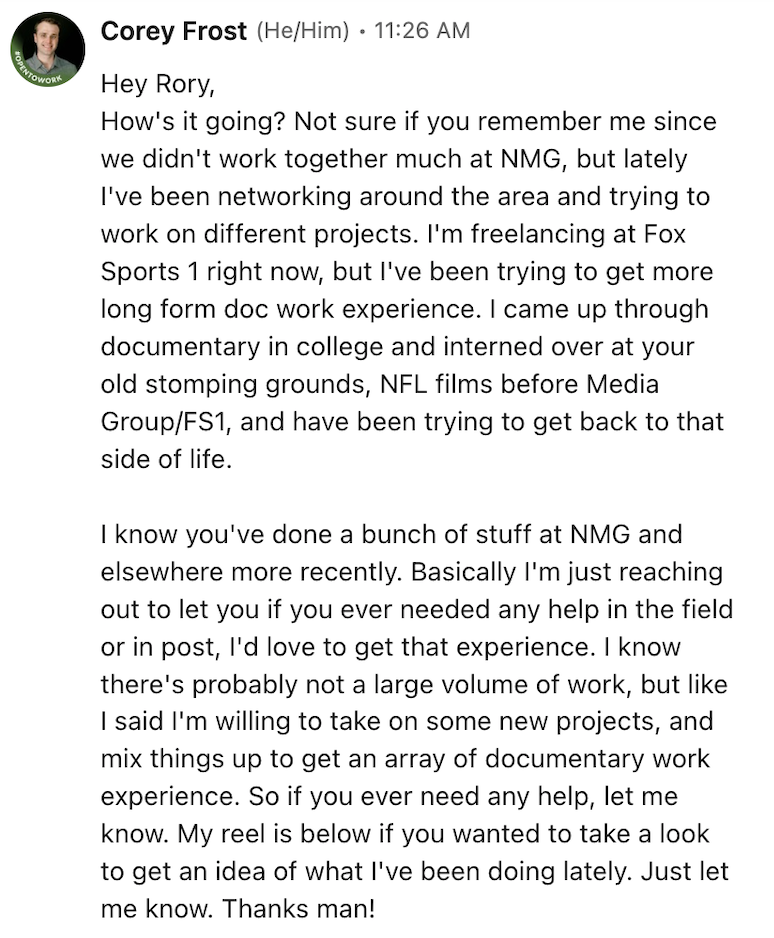
Cold Email I sent in 2013
In 2013, I noticed that director Rory Karpf, someone I’d briefly crossed paths with before at Nascar, was making ESPN 30 for 30s. That was everything I wanted to be doing: bold, emotional, widely seen. So I cold-emailed him on LinkedIn. Said I wanted to do that kind of work.
He replied: “cool, I'll keep you in mind if something comes up.”
Soon after, he reached out with a short SportsCenter assignment. That one email sparked a working relationship that’s lasted over a decade. We are now set to work on a new 2027 series for A&E. From there came documentaries, docuseries, and eventually my first scripted feature, Grace Point directed by Rory. One honest, direct email didn’t just open a door. It led to a whole new building.
Since then I’ve kept pushing. Built relationships, a brand, put myself out there even when the anxiety said not to. It’s paid off. I’m cutting sizzles for studios, short films for directors who found me through my work, series with old colleagues. And I’m helping others find similar opportunities people helped me find.
What I Actually Learned
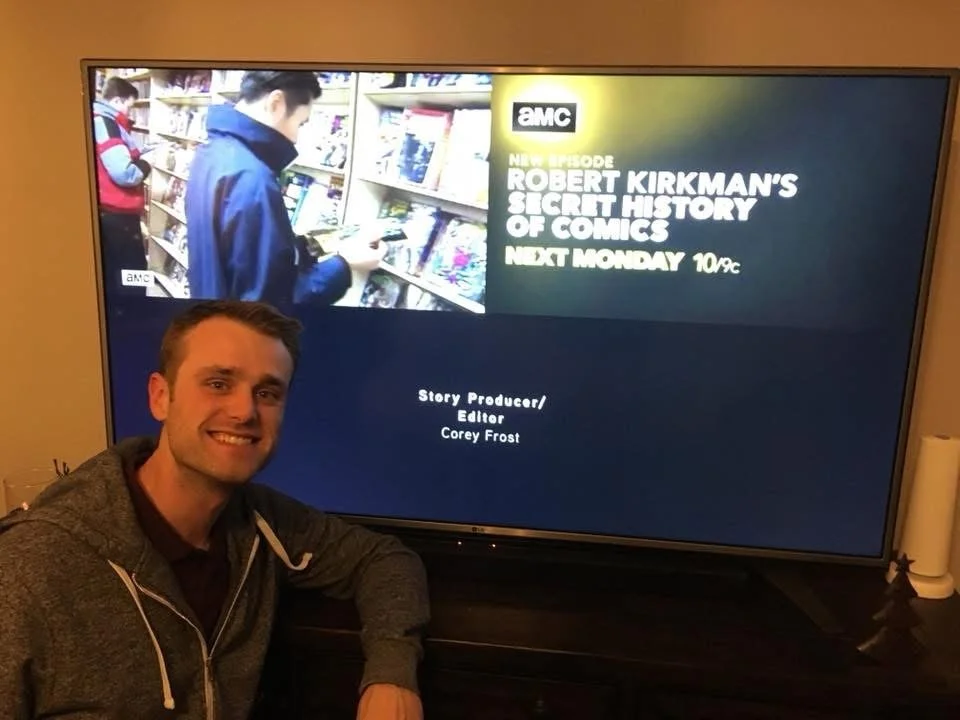
None of this was linear, and I don’t think it’s supposed to be.
The NFL internship that didn’t convert into a full time job taught me how to keep moving when a door closes. NASCAR taught me to pay attention to where a company is heading, not just where it is today. SPEED taught me that if you want to make something, you have to pitch it yourself and then actually build it. And Rory taught me that one direct email, no frills, no performance, can be the thing that changes your career.
The “seat at the table” I was chasing at 22? I never found it (at least yet). But somewhere along the way I stopped looking for it and started building something of my own. That felt a lot more like it.
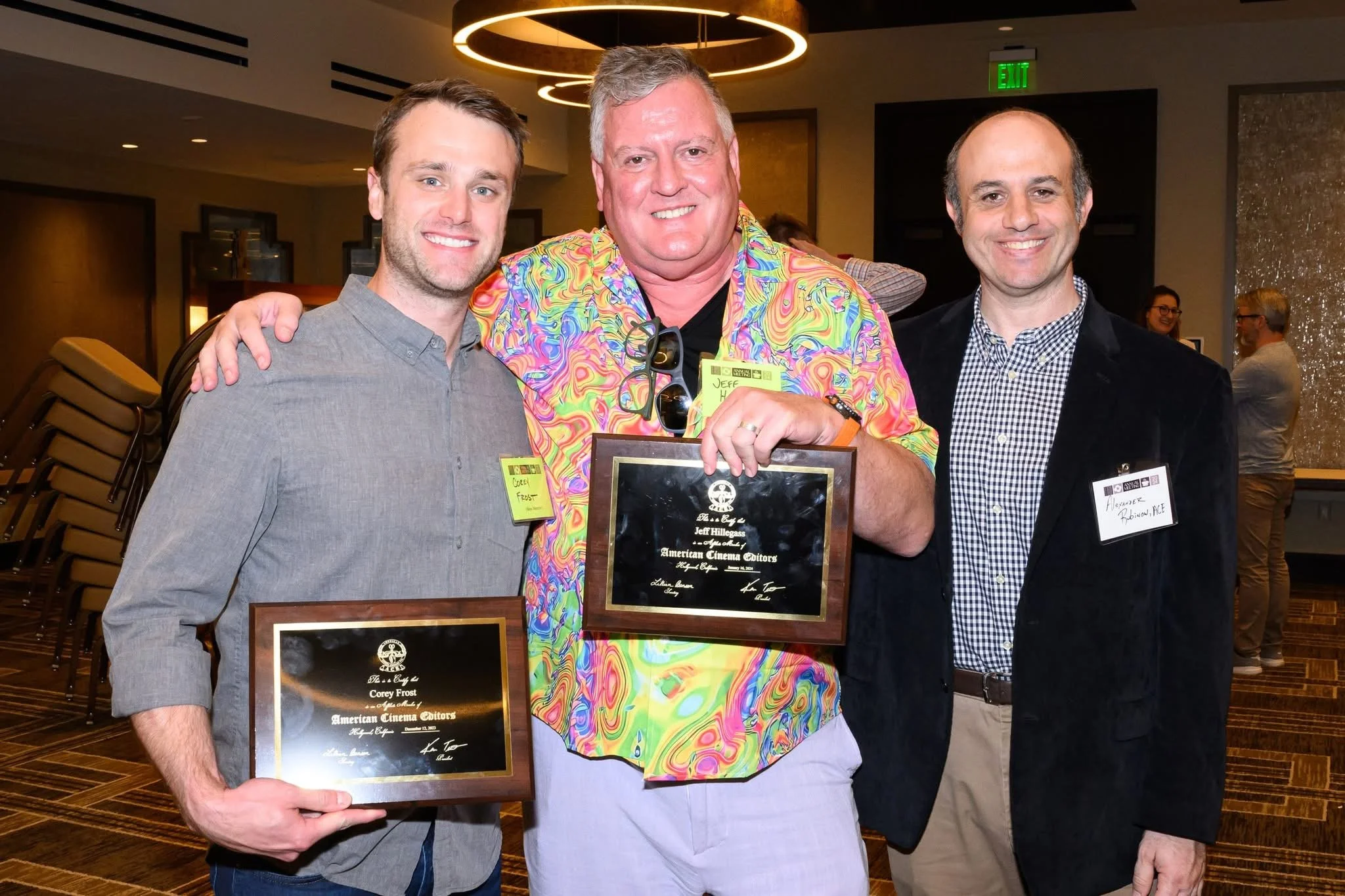
Accepting my ACE Affiliate plaque alongside my friend and colleague Jeff Hillegass, and editor Alexander Rubinow ACE
Sustaining it, though. That’s the part nobody really talks about. Getting in is one thing. Keeping yourself sharp and useful to the people you want to keep working with is a different challenge, and it doesn’t get easier just because the credits stack up. It gets harder. People assume at some point you’ve “made it” and don’t need help or mentorship. You have to make them aware that you do. I’ve never been someone to ask for favors. But it’s what it takes.
What I’ve figured out is that the same things that got me in the door are the same things keeping me there. Stay coachable. Pitch the idea nobody asked for. Send the email. Don’t wait for the right moment, because there isn’t one. And when you’re a little further down the road than someone else, turn around and help them close the gap.
That’s what it actually looks like from the inside. Not a highlight reel. Just the same work, over and over, with better opportunities attached.
So maybe that’s the real answer. Stop waiting for an invitation and start doing the work that makes one unnecessary. And when you finally do get your own table built, pull up ten more chairs. Not for people who look like you or echo everything you think, but for people who will push you, challenge you, and eventually build tables of their own.
That’s how careers actually get sustained.